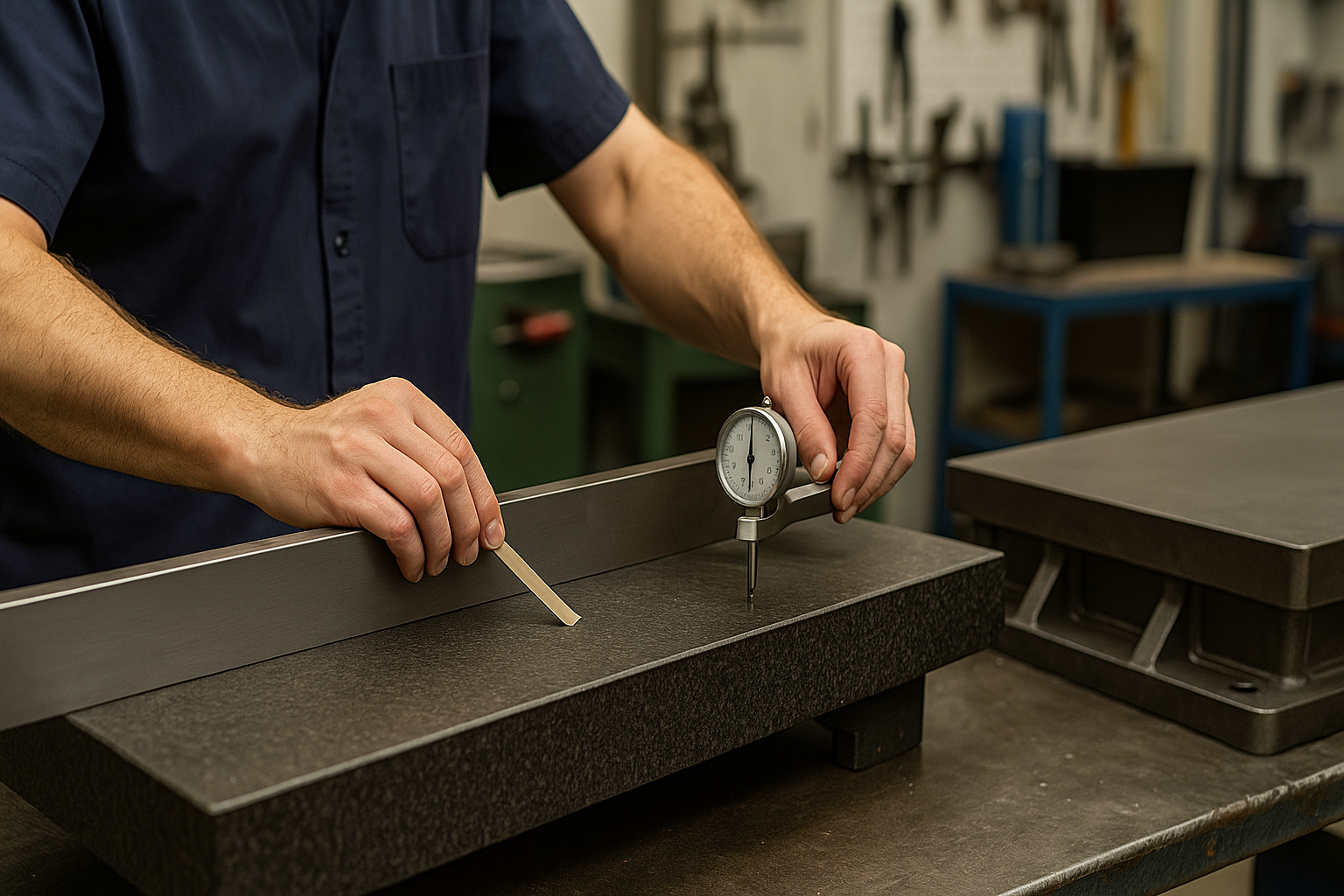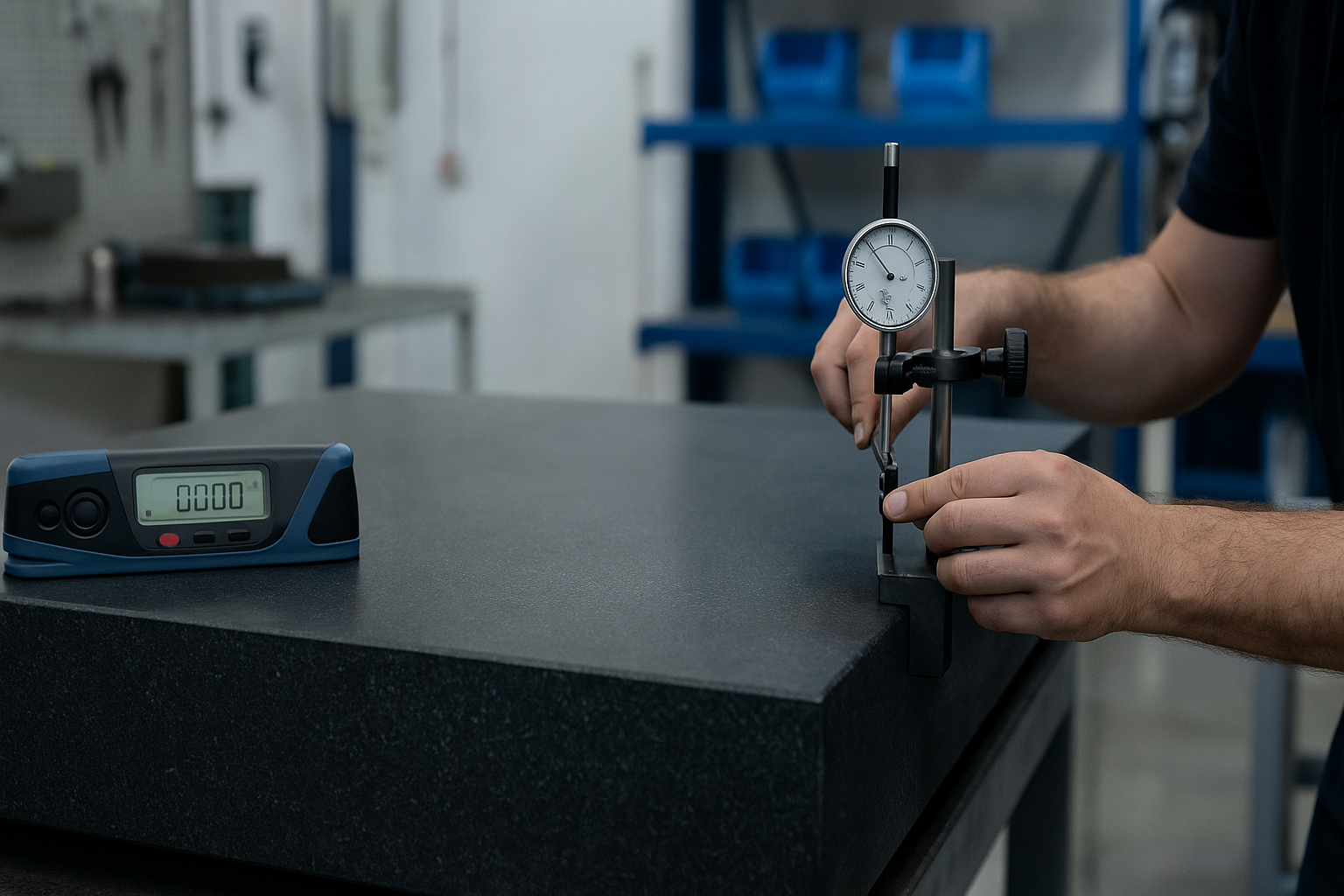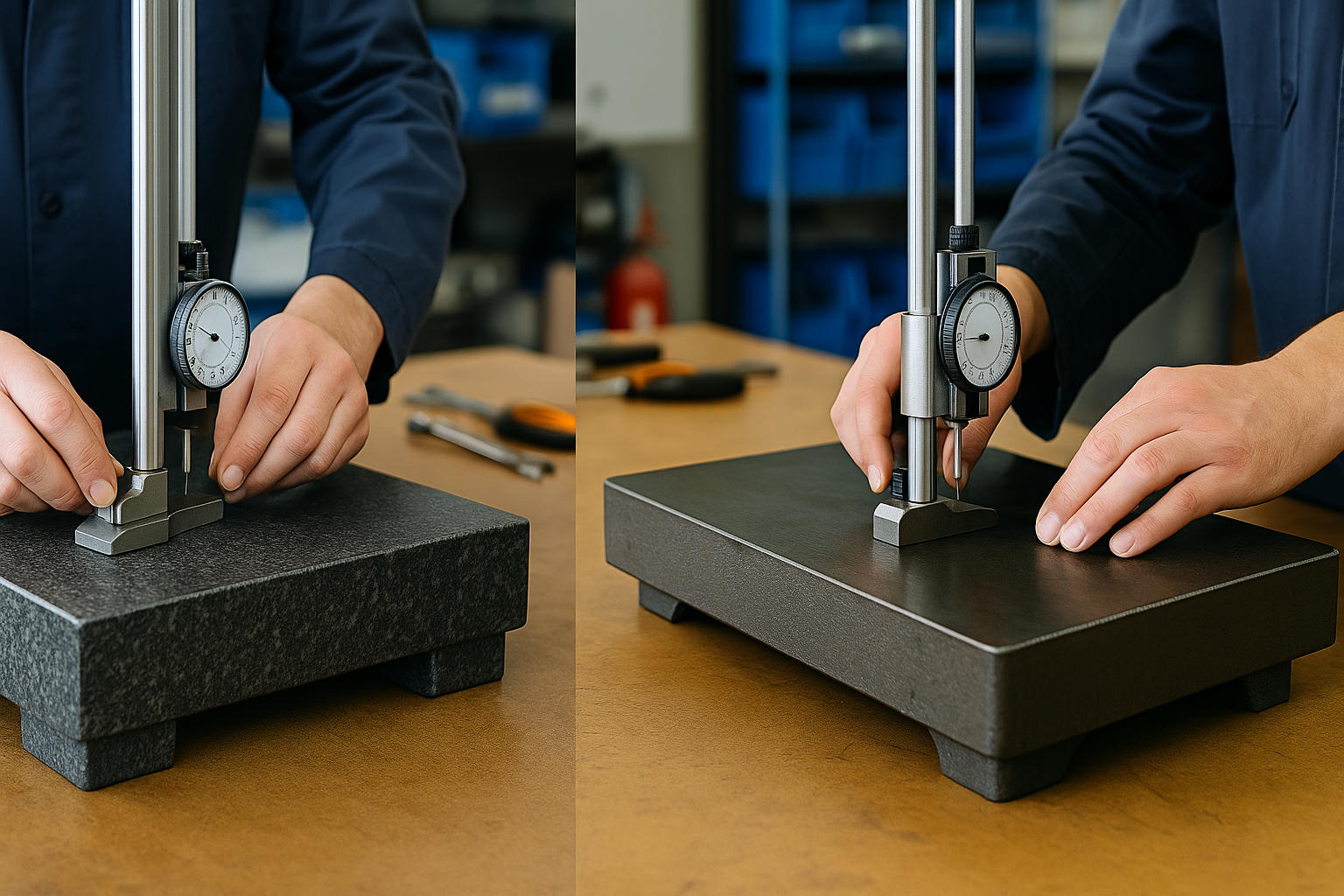
Surface plates play a crucial role in precision measurement, layout inspection, and dimensional verification. They serve as stable reference surfaces that support accurate readings for various instruments. But when it comes to choosing a surface plate, many professionals are torn between granite and cast iron. Both materials have unique advantages, and understanding their differences is key to selecting the right plate for your application.
Granite surface plates have become the industry favorite due to their superior stability and long-lasting performance. Granite is naturally rigid, non-magnetic, and highly resistant to wear. Because it doesn’t rust or corrode, it performs exceptionally well in humid or workshop environments. Granite also has a low coefficient of thermal expansion, which means its dimensions remain stable even when exposed to temperature variations. This stability makes granite plates ideal for high-precision inspection tasks where even minor deviations can affect measurement results.
Another advantage of granite is its ability to dampen vibrations. This is particularly beneficial in workshops with heavy machinery, where constant movement can impact measurement accuracy. Granite plates provide a quiet, stable surface that allows precise instruments to function smoothly. Their surface finish is also less prone to burr formation, making them safer for delicate gauges and instruments.
On the other hand, cast iron surface plates continue to hold value in industries that require heavy-duty applications. Cast iron is incredibly strong and can withstand significant mechanical stress. It can be customized with T-slots, holes, and fixtures, making it suitable for tasks like machining setups, heavy part inspection, and clamping operations. While granite plates are excellent for precision inspection, cast iron plates excel in rugged environments where heavy loads and tooling setups are common.
However, cast iron comes with certain limitations. It is prone to rusting, requires regular maintenance, and can warp over time if not stored properly. It also reacts to magnetic tools, which may cause interference in certain measurements. Still, cast iron remains a preferred choice where load-bearing capacity and mechanical flexibility are more important than ultra-high precision.
In choosing between granite and cast iron, it’s essential to evaluate your industry needs. If your primary focus is precision inspection, long-term stability, and low maintenance, granite is the best choice. If your operations involve heavy components, fixture setups, or machining-related tasks, cast iron is the more practical solution.
SPT Metrology manufactures both granite and cast iron surface plates to suit diverse industrial requirements. Whether you need a lightweight, stable granite plate or a heavy-duty cast-iron setup plate, our products are engineered for accuracy and durability. Understanding your application is the first step—selecting the right surface plate ensures reliable measurement for years to come.