In today’s highly competitive industrial landscape, precision is no longer a choice—it’s a necessity. Every component produced, every measurement taken, and every inspection performed relies on accurate tools to ensure consistent quality. This is where regular calibration becomes a critical part of the manufacturing workflow. For industries that depend on accurate measurements—such as automotive, aerospace, machining, electronics, and toolmaking—calibration is the backbone of reliable production. Without it, even the best machines can fail to deliver expected results.
Calibration is the process of comparing the measurements of an instrument to a known, traceable standard. Over time, all measuring tools deviate from their original accuracy. Factors like temperature changes, wear and tear, vibrations, and continuous use can gradually shift values, resulting in inaccurate readings. Even small deviations can lead to faulty products, rejected batches, or inefficient processes. Regular calibration corrects these deviations and restores accuracy, ensuring your tools perform consistently within the required tolerance.
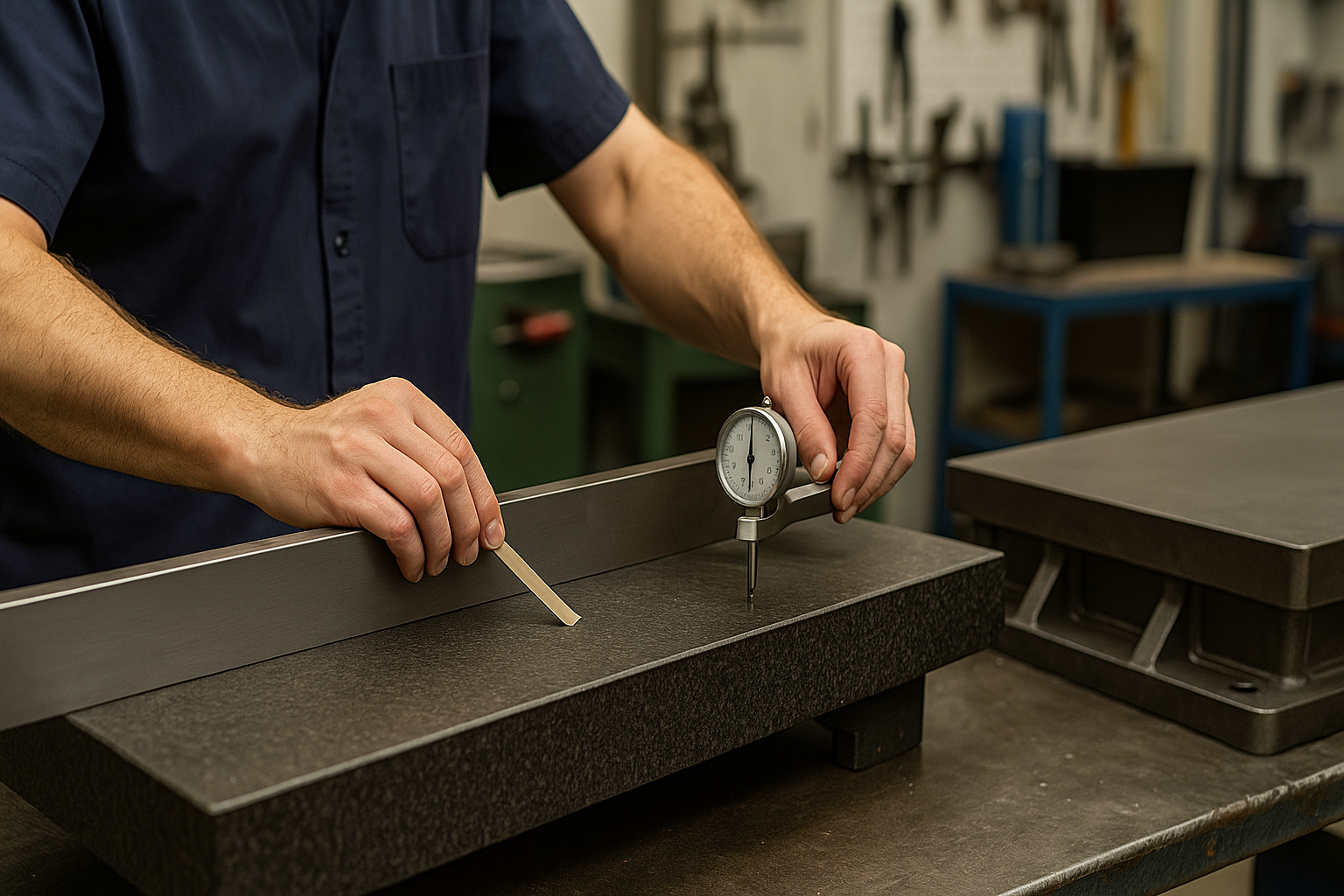
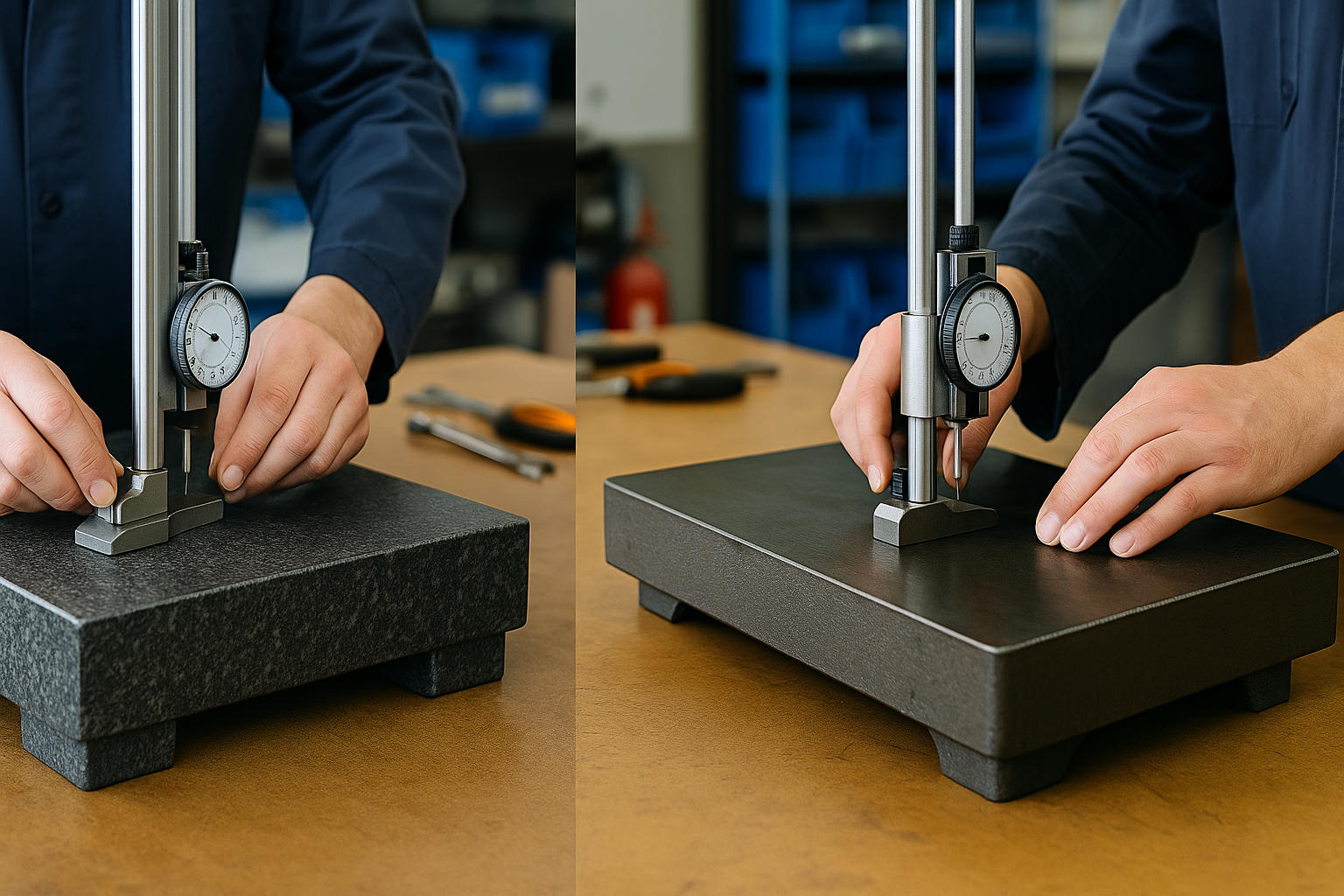
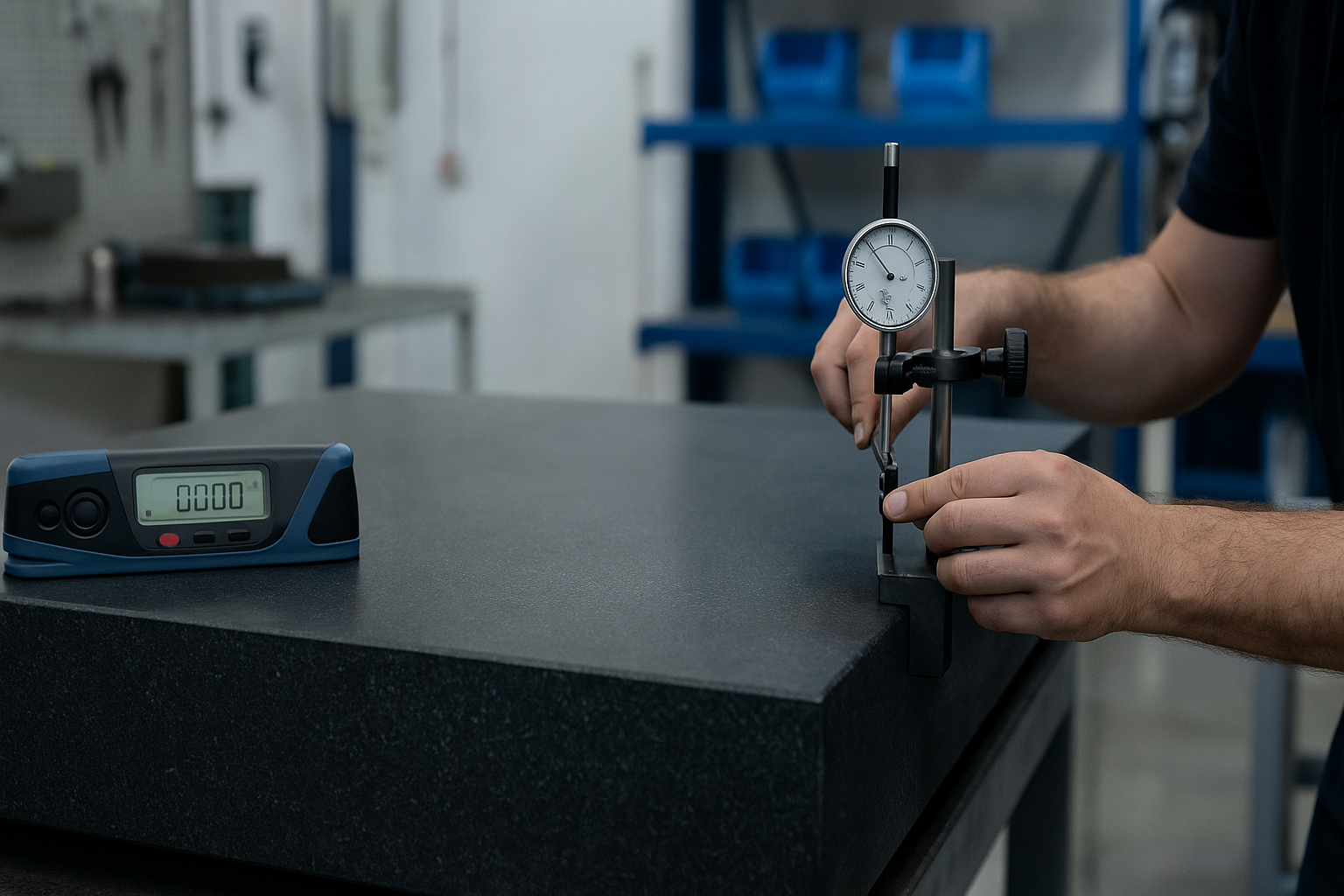
One of the most commonly neglected areas in many workshops is surface plate calibration. Granite and cast-iron surface plates are essential for dimensional measurement, layout marking, and inspection tasks. However, they wear down gradually due to repeated contact with tools, dust, and environmental conditions. Without scheduled reconditioning, the plate’s flatness can drift enough to affect the precision of the parts being inspected. Calibration ensures the plate retains its accuracy, while reconditioning restores worn surfaces to their original flatness and grade.
Beyond surface plates, equipment like bench centres, straight edges, tri-squares, angle plates, and comparator stands also require calibration. These tools influence the accuracy of every secondary measurement performed in the workshop. When one tool is slightly off, it introduces cumulative errors that affect the entire production chain. Regular calibration minimizes these risks, helping maintain consistency from raw material to finished product.
From a business perspective, calibration is not just a quality requirement—it’s a cost-saving strategy. Accurate tools reduce scrap, rework, and customer complaints. They help maintain compliance with industry standards such as IS, DIN, and ISO. Many industries face strict audits where measurement traceability is mandatory. Proper calibration records ensure smooth audit clearance and demonstrate your commitment to quality systems.
Partnering with a reliable calibration service provider is equally important. SPT Metrology offers traceable calibration and reconditioning services performed using certified instruments and skilled technicians. Our procedures follow strict standards to ensure your measuring tools deliver dependable accuracy. With regular calibration schedules, businesses can plan maintenance, avoid unexpected downtime, and extend the lifespan of their equipment.
Ultimately, calibration is an investment in quality. It strengthens your reputation, enhances manufacturing precision, and ensures your products meet customer expectations every time. In a world where precision defines success, calibration is the foundation of reliable measurement.